Elevating Cooperation and Participation through Well-Integrated Virtual Presence Technologies in Meeting Spaces
Wiki Article
Virtual presence platforms have changed the way businesses conduct meetings and team interactions. Advanced platforms permit attendees to connect efficiently across various locations, closing geographical constraints that previously limited joint work. Superior audio and video capabilities ensures that discussions are not only perceived but also visually represented, which helps groups maintain attention and engagement. By integrating these solutions into meeting spaces, companies can replicate in-person experiences, creating remote collaboration more seamless. Moreover, systems regularly feature features such as document sharing, mark-up, and digital boards, which improve the capacity to work on joint initiatives in live.
The configuration of a conference room has a important part in the success of remote systems. Proper visual setup, sound quality, and seating arrangements enhance to a more engaging remote session. For instance, uniform lighting reduces dark spots and clarifies visual output, while sound management reduce echoing and interference, enhancing sound clarity. Comfortable chairs and well-organized layouts help participants to remain comfortable during longer sessions. These design factors, combined with advanced telepresence equipment, establish a space that encourages active participation and continuous attention.
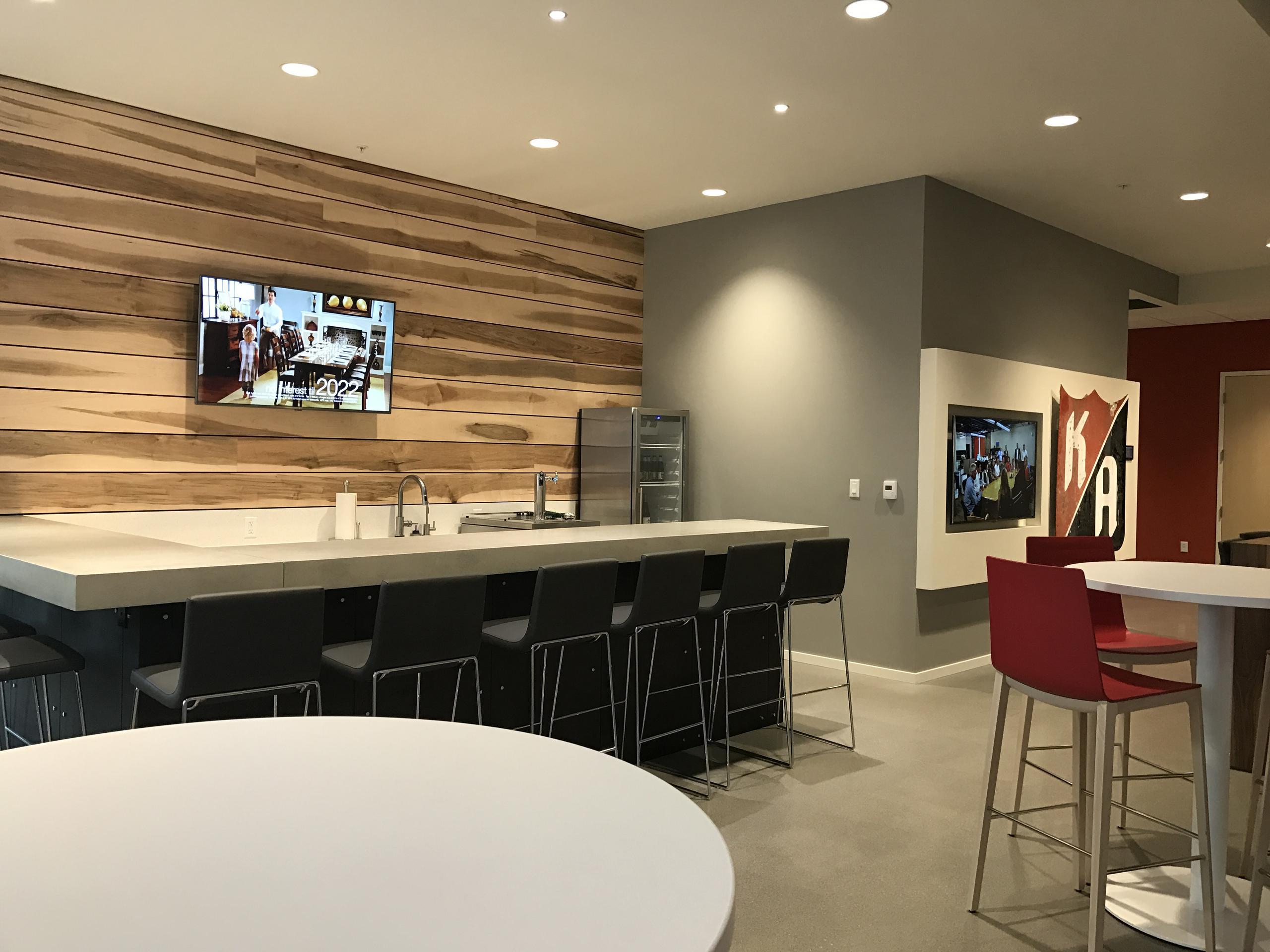
Efficient telepresence platforms require user-friendly interfaces and clear operation. When participants can quickly control meetings, toggle display settings, or exchange documents without problems, sessions proceed more smoothly. Instruction and assistance are also critical, as even the most sophisticated solutions will struggle if users are unfamiliar about their function. Companies often create standard operating procedures for remote discussions, outlining this content recommended methods for launching sessions, displaying information, and promoting participation from all team members. These procedures support consistent engagement and minimize disruptions during collaborative sessions.
Connection with other software platforms further strengthens virtual systems in conference rooms. For case, synchronizing solutions with workflow platforms, online storage, or messaging tools enables teams to retrieve files and synchronize data instantly. Collaborative features like shared digital workspaces, instant surveys, and real-time communication support full participation, making sure that go virtual and in-person participants participate fully in discussions. These linkages enhance productivity, minimize delays, and keep teams synchronized among staff, regardless of their site.
Ultimately, companies that implement high-quality telepresence solutions gain significant outcomes in both teamwork and engagement. Staff report greater contentment, accelerated problem-solving, and enhanced results when communication is seamless and engaging. With a combination of modern systems, thoughtful conference room design, easy-to-use interfaces, and strategic integrations, businesses build an environment where participants feel connected, knowledgeable, and encouraged to participate. Eventually, these enhancements lead to stronger team cohesion, better problem-solving, and a more efficient workplace overall.